What Makes Preplanning Feel Less Overwhelming
Funeral preplanning can feel more manageable when families make decisions one at a time, communicate their wishes, and seek thoughtful guidance.

Thinking about future funeral arrangements can raise hard questions to answer all at once. Families considering funeral homes in Colchester, VT may wonder where to begin, which decisions matter most, and how to communicate personal wishes without making conversations uncomfortable. Funeral preplanning feels less overwhelming when you approach it as a series of manageable choices rather than one large responsibility. Taking time to understand your options helps families make thoughtful decisions without rushing through important conversations.
At Minor Funeral and Cremation Center, we understand that discussing end-of-life wishes requires sensitivity, patience, and clear information. Some people begin planning to document their preferences, while others hope to give relatives helpful direction for the future. Whatever motivates the conversation, we believe families should have room to ask questions, consider alternatives, and move forward at a pace that feels comfortable.
Why Does Breaking Preplanning Into Smaller Steps Help?
Funeral preplanning becomes more approachable when we separate essential decisions from details that can wait. Instead of trying to settle every preference during one conversation, families can begin with the choices that matter most. This approach provides a clearer starting point and allows time to reflect before moving into more personal arrangements.
Begin With General Preferences
A useful first step is to consider whether traditional funeral arrangements, cremation, or another available service format best reflects your wishes.
Families can then think about whether they prefer a formal ceremony, an informal memorial gathering, or a quieter remembrance.
These initial preferences provide direction without requiring immediate decisions on every detail. We can help families understand how different arrangements relate to their goals while leaving room for individual traditions and circumstances.
Separate Important Decisions From Optional Details
Not every planning choice matters equally. Preferences about the type of service, meaningful traditions, and who should be involved may deserve attention before selecting music or photographs.
One common mistake is becoming focused on small details before establishing the overall purpose of the arrangements.
We encourage families to identify their priorities first. Once those preferences are clear, other decisions often become easier to consider.
How Can Clear Information Reduce Uncertainty?
Uncertainty can make funeral preplanning feel more complicated than it needs to be. Families may encounter unfamiliar terms or assume certain arrangements are required when alternatives exist. Clear explanations help us understand the purpose of each decision, what can remain flexible, and which preferences to record for future reference.
Understand the Available Planning Options
Funeral arrangements can reflect different personal, cultural, and family preferences. Planning and documenting funeral wishes can provide a useful starting point for understanding the process.
We encourage families to ask how service choices fit together and whether a particular preference affects other arrangements.
Understanding these connections helps prevent confusion and supports decisions based on personal priorities rather than assumptions.
Ask Questions Without Feeling Rushed
Questions are an important part of responsible planning. Families may want clarification about service formats, opportunities for personalization, or how documented wishes can be communicated to relatives.
Write down questions before a conversation, and revisit anything that remains unclear afterward.
We believe thoughtful guidance should make information easier to understand, not create pressure to reach immediate decisions.
What Makes Family Conversations More Comfortable?
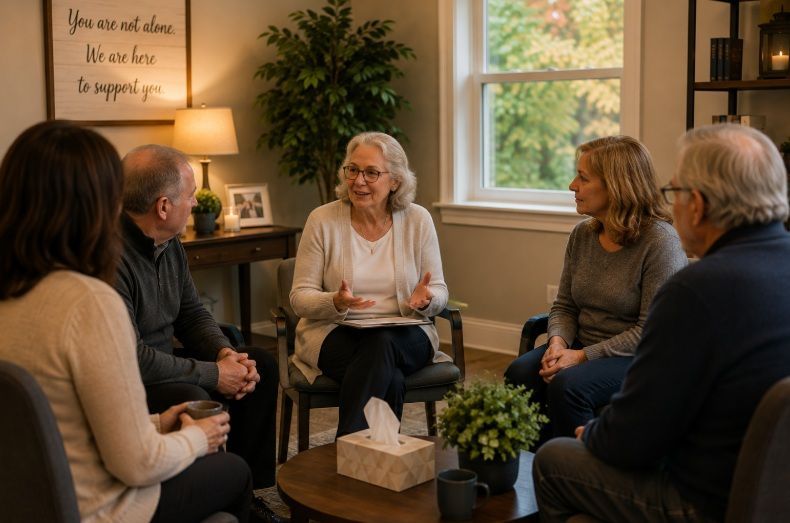
Conversations about funeral wishes can feel emotional because family members may have different experiences, beliefs, or expectations. Starting with the purpose of preplanning helps everyone understand that the discussion is about respecting personal preferences and providing useful direction. Families don't need to agree on every detail in the first conversation.
Choose a Comfortable Time to Talk
A quiet, familiar setting can make sensitive conversations easier to approach.
Instead of introducing every question at once, families might start by discussing a meaningful tradition, a personal preference, or a past memorial experience.
We encourage people to explain why certain choices matter to them. Sharing the reasoning behind a preference can help relatives understand its significance, even when their perspectives differ.
Listen Without Expecting Immediate Agreement
Some relatives may welcome a planning conversation, while others need time to consider the subject.
Listen carefully and allow space for questions to keep the discussion from becoming unnecessarily stressful.
Families may also appreciate guidance on why planning can benefit loved ones as they consider how to approach these conversations.
The goal is not to remove every difference of opinion. It is to communicate wishes clearly and respectfully.
How Can Written Preferences Make Planning Easier?

Written preferences can help families remember important decisions and reduce uncertainty about someone's wishes. They also provide a reference point when conversations span several weeks or months. A planning record does not need to begin as a finished document. Simple notes can help organize ideas before you consider more detailed arrangements.
Record the Decisions That Matter Most
Families can start by documenting general service preferences, meaningful traditions, and the people they want involved in future arrangements.
We recommend using clear language that relatives can understand rather than relying on informal assumptions.
It is also helpful to distinguish firm preferences from ideas that remain open for discussion. This allows future conversations to focus on unresolved questions without revisiting every earlier decision.
Review Preferences as Circumstances Change
Personal wishes can change over time. Family relationships, traditions, and individual priorities may develop in ways that influence earlier decisions.
Reviewing written preferences periodically helps keep the information relevant and easy to understand.
Families should also consider where they will keep records and who needs to know how to access them. Even carefully considered wishes may be hard to follow if relatives cannot locate the information when they need it.
A Thoughtful Start Can Make Preplanning More Manageable
Funeral preplanning doesn't have to start with every answer in place. We can make the process more manageable by identifying priorities, learning about available arrangements, discussing wishes with relatives, and keeping clear records. Each step gives you a chance to consider what matters without feeling pressured to decide everything immediately. At Minor Funeral and Cremation Center, we believe respectful guidance and open communication can help families approach these conversations with greater confidence. Those considering funeral homes in Colchester, VT can also learn about
the people who provide guidance and support when preparing for future arrangements. Call
802-893-6323 for expert guidance as you begin considering your options.