How Memory Tables Help Guests Feel Connected
Memory tables give funeral guests a personal way to share stories, recognize meaningful keepsakes, and feel connected through remembrance.
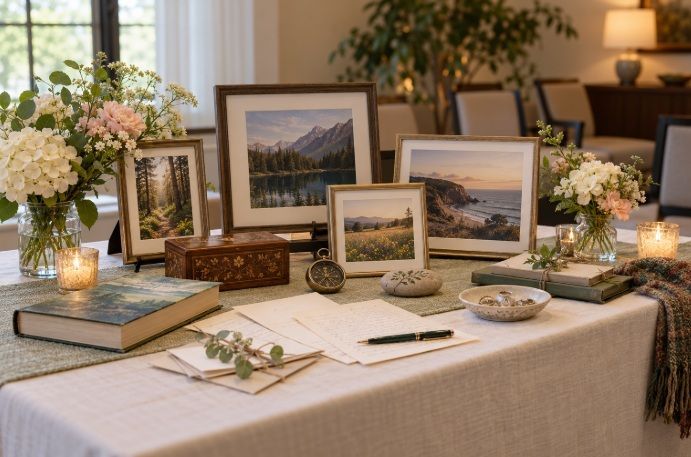
A memory table can turn a quiet corner of a funeral or memorial gathering into a meaningful place for remembrance. Families consideringfuneral homes in Winooski, VT may appreciate how photographs, personal belongings, and familiar keepsakes encourage guests to share stories about someone they love. Rather than relying entirely on a formal ceremony, a memory table creates opportunities for personal conversations and helps visitors recognize the experiences, relationships, and interests that shaped a person's life.
At Minor Funeral and Cremation Center, we understand that meaningful remembrance often begins with small, personal details. A favorite photograph, handwritten recipe, or treasured book can bring back memories that words alone might not capture. Memory tables give relatives and friends a welcoming place to reflect, reconnect, and contribute their own recollections without feeling obligated to speak publicly.
Why Do Memory Tables Help Guests Feel Connected?
Memory tables encourage connection by giving guests familiar objects and photographs to talk about. They offer a shared point of interest, especially when visitors come from different parts of someone's life. Family members, childhood friends, neighbors, and former coworkers may recognize different items, creating conversations that bring those experiences together.
Photographs Encourage Natural Conversations
A photograph can remind guests of an ordinary afternoon, a family celebration, or a memorable trip. These moments often spark stories others have never heard.
For example, a picture of someone tending a garden might prompt a neighbor to recall their generosity, while a family member remembers learning how to grow vegetables alongside them.
The same photograph can mean different things to different people. Sharing those perspectives allows guests to appreciate relationships and experiences beyond their own.
Personal Belongings Reflect Individual Interests
Objects can communicate something about a person's character without requiring lengthy explanations. A well-loved cookbook might reflect a passion for family meals, while a collection of postcards could represent years of travel and friendship.
These details make remembrance more personal. Guests can recognize familiar interests, ask questions, and contribute memories that help others understand what made the individual special.
What Belongs on a Meaningful Memory Table?
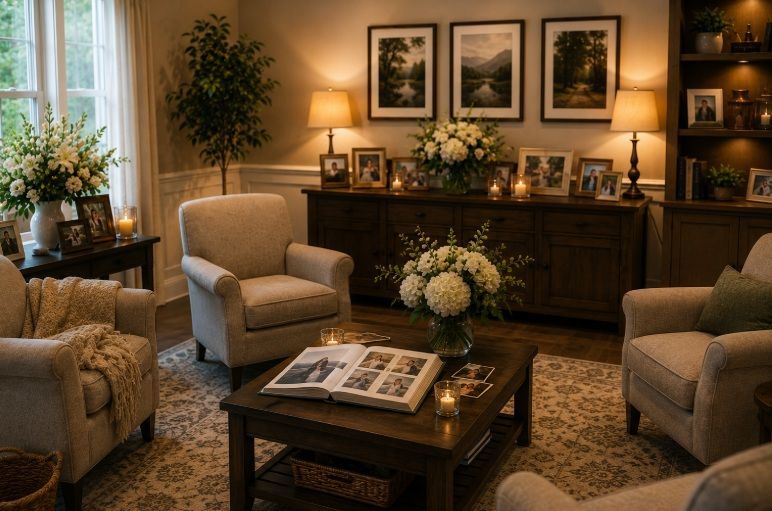
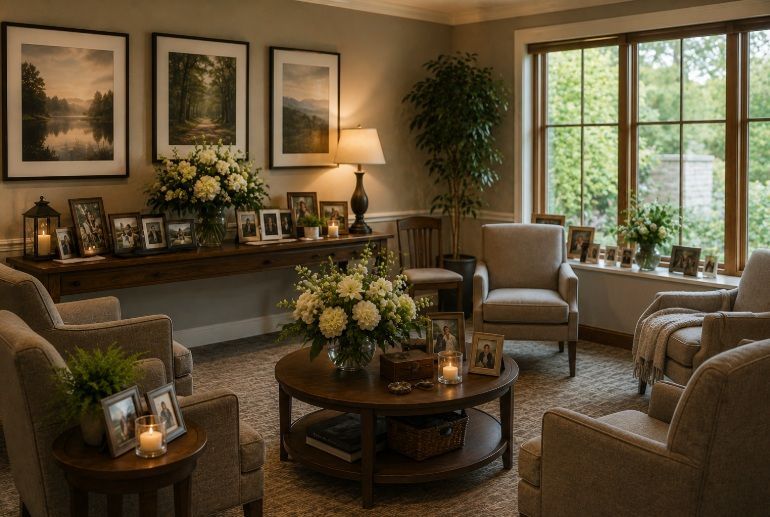
A meaningful memory table should reflect the person being remembered rather than follow a standard arrangement. Families can select a few recognizable items that represent important relationships, interests, or experiences. The goal is not to fill every available space but to create a thoughtful display that encourages reflection and conversation.
Choose Items With Personal Significance
Photographs, letters, artwork, favorite books, and hobby-related keepsakes can each communicate something meaningful.
Families might include a handwritten recipe from someone who loved cooking or a small collection of gardening tools representing years spent outdoors.
When choosingpersonalization options that reflect a loved one's life, we encourage families to focus on genuine details rather than elaborate ones. A small selection of familiar belongings can often communicate more than a crowded display.
Arrange Keepsakes With Care
Organize a memory table so guests can view items comfortably without disturbing fragile belongings.
Place photographs at different heights, leave space between keepsakes, and use simple labels when helpful to make the display easier to understand.
Families should also consider whether valuable or delicate objects are appropriate for a shared gathering space. Photographs of those items may be a more practical alternative.
How Can Memory Tables Encourage Shared Remembrance?
Memory tables can invite participation from guests who may not feel comfortable speaking during a formal service. Some visitors enjoy telling stories, while others prefer to look through photographs quietly. A thoughtful display supports both approaches and lets people remember in their own way.
Invite Guests to Contribute Memories
Families may provide blank cards where visitors can write a favorite memory, a meaningful lesson, or a brief message.
These contributions can become keepsakes that relatives revisit after the gathering. They may also reveal experiences the immediate family never knew about.
Participation should remain optional. A guest who prefers quiet reflection can still find meaning in viewing the display without contributing anything.
Connect Different Generations Through Stories
Memory tables can help younger relatives learn about experiences that occurred before they were born.
An old photograph might introduce a grandparent's childhood home, while a musical instrument could inspire stories about family celebrations.
These conversations can preserve memories across generations. They also reflecthow personal details help families honor individual lives, giving guests opportunities to recognize the relationships and experiences that mattered most.
What Should Families Consider Before Setting Up a Display?
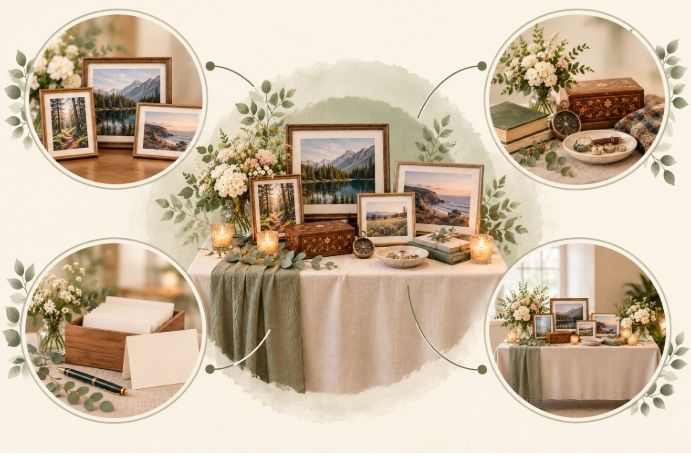
A successful memory table does not need to be large or complicated. Thoughtful planning can make the display easier for guests to appreciate while protecting meaningful belongings. Start by identifying the stories you want the table to tell and selecting items that support those memories.
Keep the Display Comfortable and Accessible
Place the table where guests can approach it without interrupting other activities or blocking walkways.
Make photographs easy to see, and keep fragile belongings secure. Families can also seat visitors nearby who want extra time to look through photographs or talk quietly.
A simple arrangement often feels more welcoming than an elaborate display that is hard to navigate.
Respect Family Preferences and Personal Boundaries
Not every photograph or belonging needs to be displayed publicly. Some memories may feel too private, while certain items may hold special significance for individual relatives.
Before including personal letters, sensitive photographs, or borrowed keepsakes, families can ask whether everyone involved feels comfortable sharing them.
This consideration helps keep the display respectful and keeps remembrance focused on meaningful connections rather than unnecessary discomfort.
Creating a Welcoming Space for Shared Memories
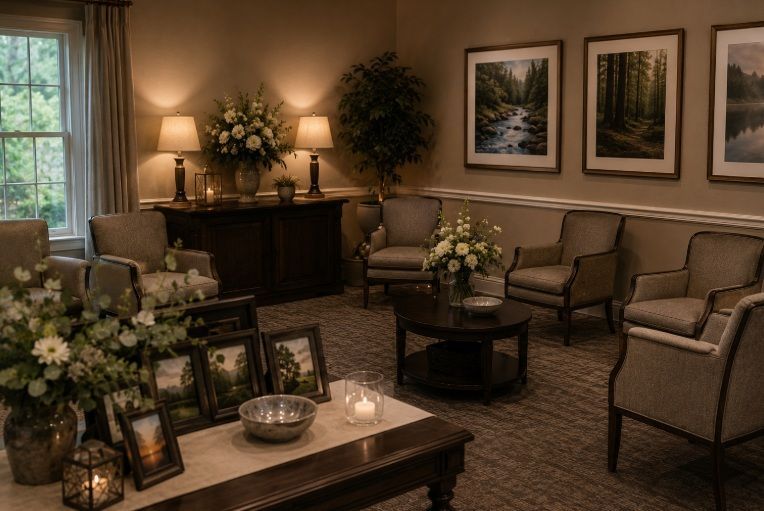
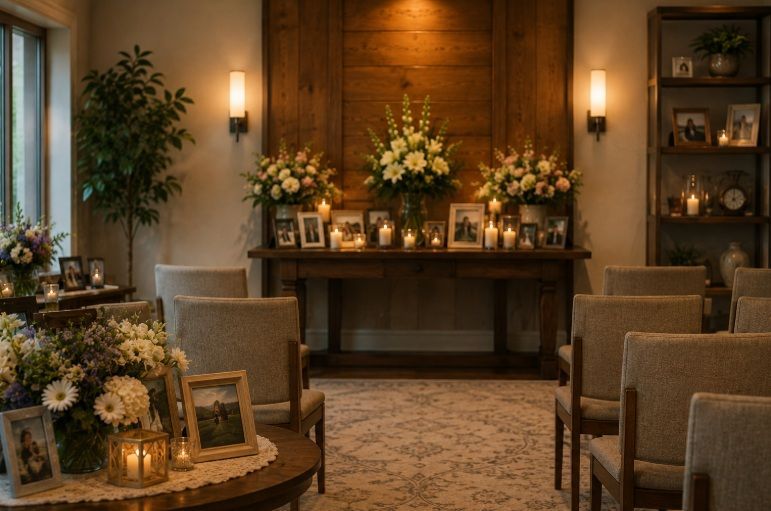
Memory tables offer families a simple, personal way to bring guests together through photographs, meaningful belongings, and shared stories. They create opportunities for conversation without requiring everyone to participate in the same way. A thoughtful display can reflect someone's personality while giving relatives and friends a place to remember shared experiences. At Minor Funeral and Cremation Center, we can help families consider personal touches that fit their gathering and traditions. Those comparing funeral homes in Winooski, VT can also learn aboutthe location and gathering spaces available to families. Call 802-893-6323 for expert guidance about creating a meaningful tribute that reflects your loved one's life.