Why Memorial Gatherings Help With Healing
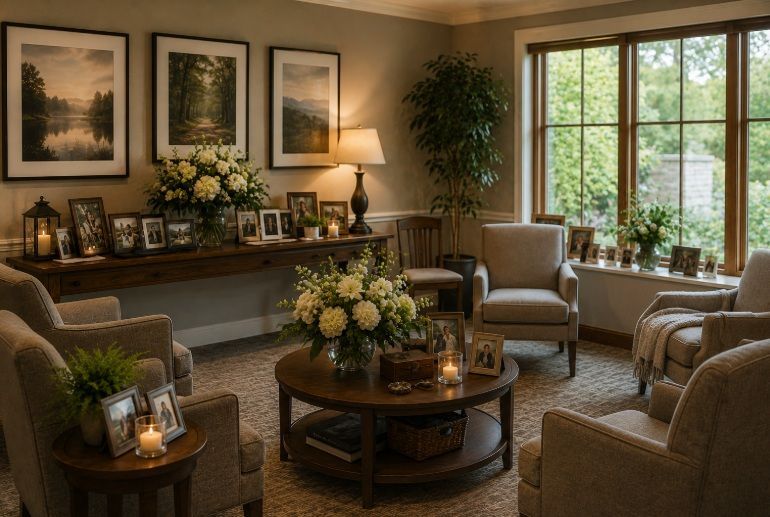
Grief is deeply personal, but spending time with supportive people can give families meaningful opportunities to remember someone they love. When working with funeral homes in Milton, VT, families may consider a memorial gathering to bring relatives and friends together, share memories, and recognize a life in a setting that feels appropriate to them. These gatherings don't determine how someone grieves, but they can offer valuable moments of connection during a difficult time.
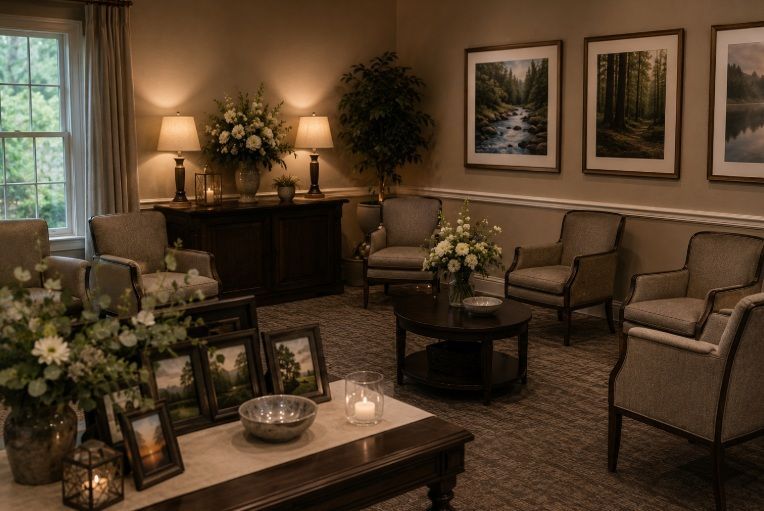
At Minor Funeral and Cremation Center, we understand that every family approaches remembrance differently. Some prefer a quiet gathering with close relatives, while others feel comfortable inviting friends, neighbors, and community members. No single format for a memorial gathering exists. What matters is creating an opportunity for people to be present, acknowledge their loss, and remember the person in ways that feel sincere and respectful.
Why Can Gathering Together Feel Supportive?
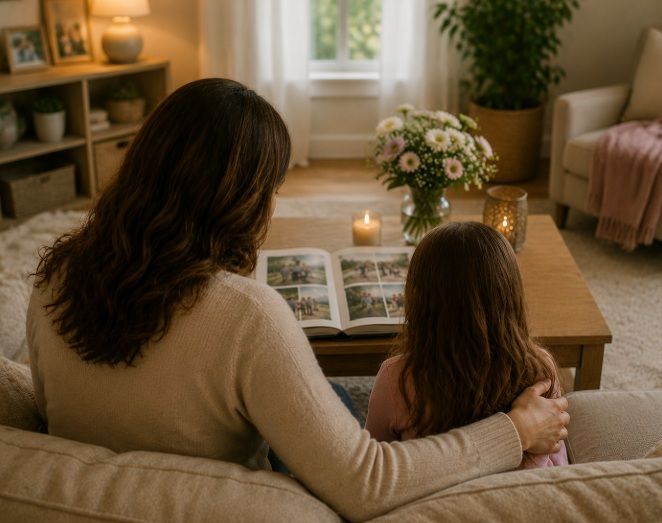
A memorial gathering creates a shared space where people can acknowledge both their loss and their connection to the person being remembered. Grief experiences vary, so gathering together should never be viewed as a solution or a required step toward healing. Instead, it can provide companionship and give people permission to remember, speak, listen, or simply spend time with others who cared about the same person.
Shared Presence Can Reduce Feelings of Isolation
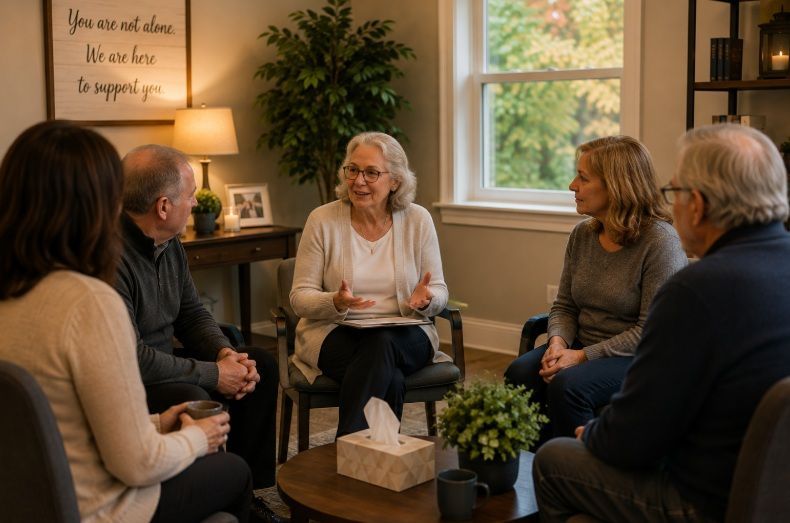
Some people want to talk openly after a loss, while others prefer quiet company. A memorial gathering can accommodate both. No one needs to give a speech or share a story to participate meaningfully.
Simply seeing relatives and friends gathered in one place can remind family members that support is available. Those connections may continue after the gathering through conversations, meals, visits, or thoughtful check-ins.
Memories Give People a Natural Way to Connect
Stories often become an important part of memorial gatherings. One person may remember a favorite family tradition, while someone else recalls a workplace story, hobby, or act of kindness that relatives have never heard before.
These different perspectives can create a fuller picture of the person's life. Rather than focusing only on the circumstances of the loss, guests can remember relationships, experiences, and qualities that mattered.
How Does Personalization Make a Gathering Meaningful?
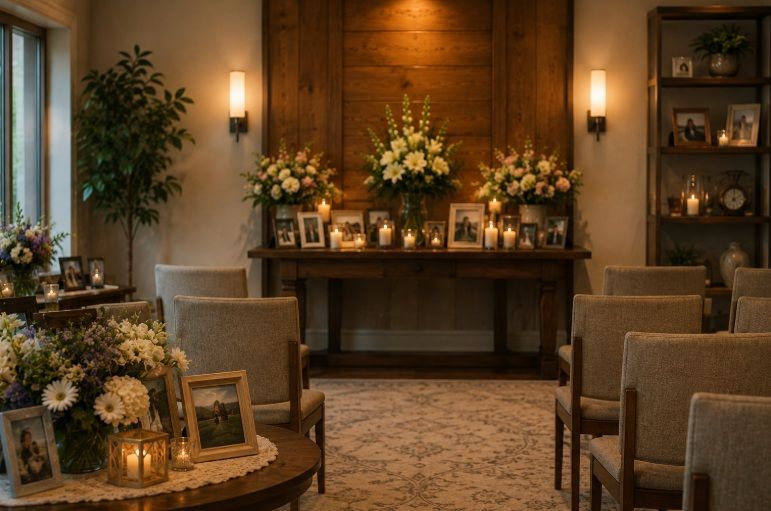
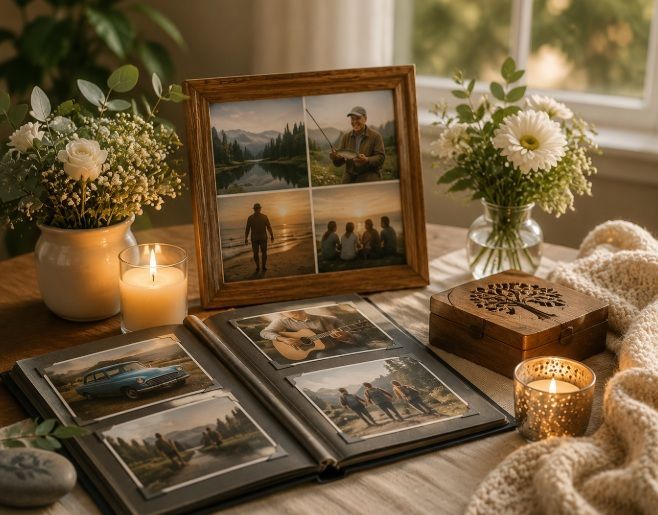
Personalization helps a memorial gathering reflect the individual rather than follow a generic format. Meaningful details do not need to be elaborate. Photographs, music, favorite belongings, written memories, or familiar traditions can give guests recognizable points of connection while keeping the focus on the person being honored.
Personal Details Can Encourage Conversation
A collection of photographs can naturally lead relatives to exchange stories about vacations, celebrations, or ordinary moments at home. Music may bring back memories of a favorite artist or family tradition.
Families can also consider personalization choices that reflect a loved one's story when deciding which details to include. The strongest choices usually have a genuine connection to the individual's personality, interests, or relationships.
Participation Can Take Different Forms
Not everyone is comfortable speaking in front of a group. A welcoming memorial gathering can provide several ways to participate, such as writing down a memory, contributing a photograph, listening to meaningful music, or spending quiet time with family.
Giving people choices respects the fact that grief and remembrance are individual experiences. Participation should feel voluntary rather than expected.
What Should Families Consider When Planning?
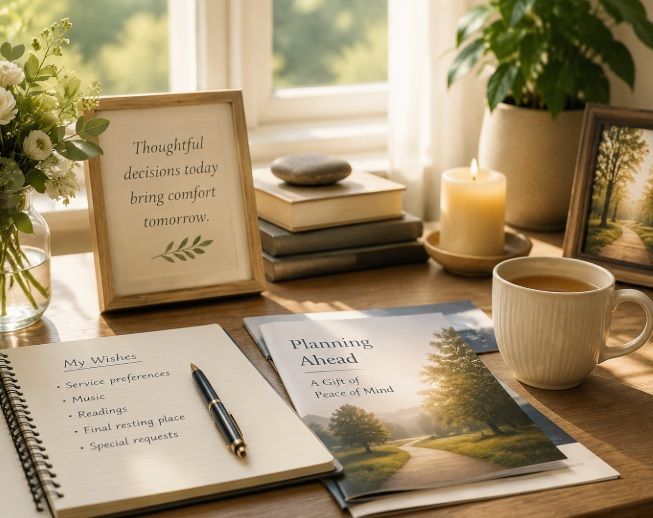
Planning a memorial gathering can become easier when families identify what they want the event to accomplish before focusing on individual details. They might want time for storytelling, a quiet opportunity for reflection, or a gathering where different generations can reconnect. Establishing that purpose helps guide decisions about the setting, format, and personal elements.
Start With the People and Purpose
A practical planning checklist can begin with a few questions. Who should have an opportunity to attend? What memories or qualities should the gathering reflect? Would relatives feel more comfortable with a structured program or a relaxed setting?
Answering these questions can help families avoid a common mistake: adding traditions or activities simply because they believe they are expected. A meaningful gathering should reflect the family and the person being remembered.
Leave Room for Unplanned Moments
Not every meaningful moment can be scheduled. A conversation between relatives, an unexpected story, or a quiet exchange between friends may become one of the most memorable parts of the gathering.
Allowing some flexibility gives people time to connect naturally. A schedule can provide direction, but it does not need to control every minute.
How Can Support Continue After the Gathering?
A memorial gathering takes place on a particular day, but relationships continue afterward. Families and friends can support one another by staying connected, remembering meaningful dates, sharing photographs, or simply checking in. The kind of support that feels helpful can change over time, so listening remains important.
Small Gestures Can Remain Meaningful
Support does not always require a lengthy conversation. Preparing a meal, sending a thoughtful message, helping with an everyday responsibility, or inviting someone for coffee may communicate care without placing expectations on the grieving person.
People should also be allowed to decline invitations or assistance. Respecting individual preferences is an important part of providing compassionate support.
Follow the Grieving Person's Lead
There is no universal schedule for grief. Someone may want company one day and privacy another. Friends and relatives can offer support without assuming how the person should feel or how quickly emotions should change.
Learning thoughtful ways to support grieving friends and relatives can give people who want to be present a useful perspective without pressuring someone who is grieving.
Meaningful Gatherings Create Space for Remembrance
Memorial gatherings can give families valuable time to remember, share stories, and be present with people who understand the significance of their loss. They do not guarantee healing or determine how grief will unfold, but they can create meaningful opportunities for connection and remembrance. Minor Funeral and Cremation Center can help families consider a gathering that reflects the person they are honoring and the needs of those attending. Families considering funeral homes in Milton, VT can also learn what to expect when they need immediate arrangements. Call 802-893-6323 for expert guidance when you are ready to discuss your options.