How Families Stay Connected After a Loss

After losing someone important, family relationships can become a meaningful source of companionship and support. Families considering cremation services in Milton, VT may also be thinking about what happens after the service, when relatives return home, and everyday routines begin again. Staying connected doesn't require everyone to grieve the same way. Regular conversations, shared memories, family traditions, and simple gestures can help loved ones remain present for one another while respecting individual needs.
At Minor Funeral and Cremation Center, we recognize that each person's grief experience is different. Some relatives may want to talk frequently, while others need more private time. A family can stay connected without expecting everyone to respond to loss in the same way. Thoughtful communication and flexible traditions give people opportunities to remember someone they love while maintaining relationships that can continue long after the funeral or memorial gathering.
Why Does Regular Communication Matter After a Loss?
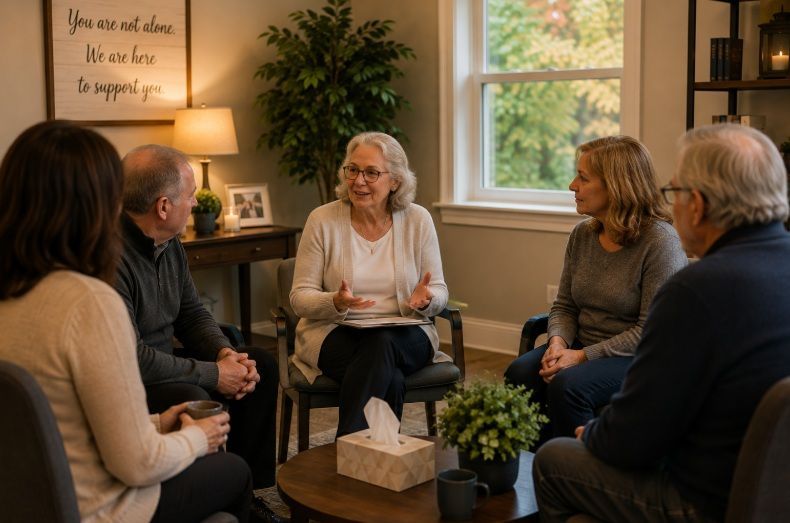
Communication gives relatives opportunities to understand what kind of contact feels helpful as circumstances change. A brief phone call may be welcome one week, while a family dinner might feel appropriate later. Instead of assuming what someone needs, relatives can keep communication open and allow each person to decide when and how they want to participate.
Simple Check-Ins Can Feel More Natural
Staying connected does not always require a long conversation about grief. A text asking how someone's week is going, an invitation to share a meal, or a quick phone call can maintain connection without creating pressure.
One commonly overlooked consideration is consistency. Support is often concentrated around the funeral, but relatives may appreciate hearing from one another in the weeks and months afterward as routines change.
Listening Can Be More Helpful Than Finding the Right Words
People sometimes worry about saying the perfect thing. In many situations, attentive listening is more useful than trying to provide an answer. A family member may want to share a memory, express frustration, or simply talk about an ordinary part of the day.
Learning thoughtful ways to support grieving friends and relatives can also help people communicate with care while avoiding assumptions about another person's experience.
How Can Shared Memories Keep Families Connected?
Memories give relatives a natural reason to come together and talk about the person who died. Families can share stories during meals, holidays, anniversaries, or everyday conversations. These moments do not have to be formal. What matters is keeping remembrance part of family life when people feel comfortable discussing it.
Personal Keepsakes Can Encourage Conversation
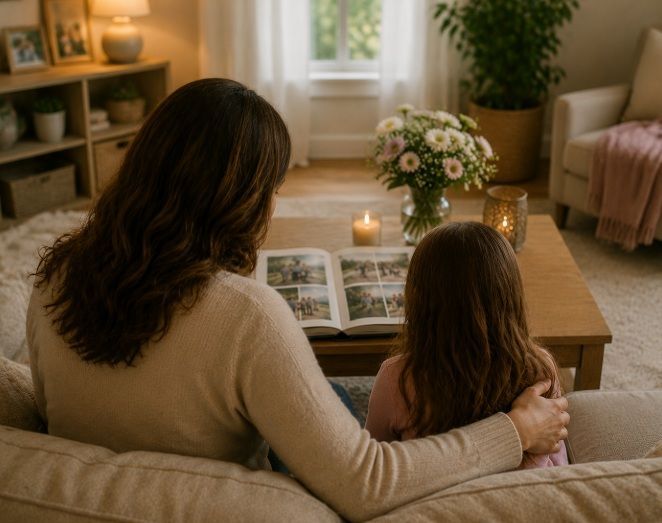
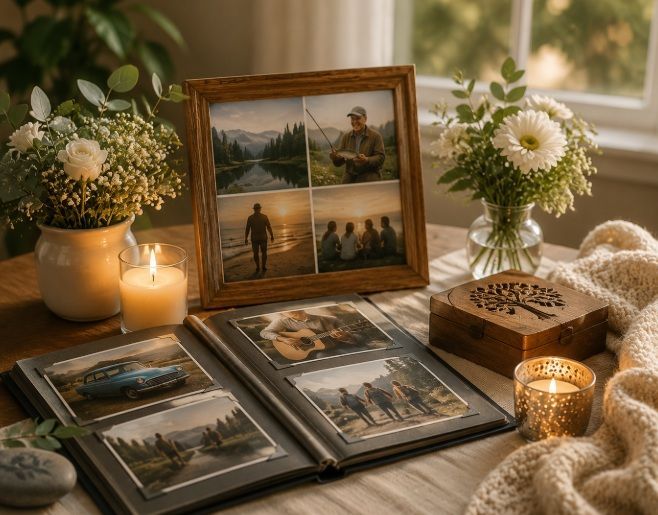
Photographs, letters, recipes, music, artwork, and meaningful belongings often prompt stories. A photograph may remind one relative of a vacation while another remembers something entirely different from the same period.
Families can use personal details that reflect a loved one's story during a memorial gathering and continue sharing those memories afterward. The funeral home's personalization guidance specifically includes photographs, videos, artwork, music, poetry, and literature as possible ways to reflect an individual's life.
Different Generations Can Share Different Perspectives
Children, parents, grandparents, siblings, and friends may remember different parts of someone's life. Bringing those perspectives together can preserve family stories that might otherwise be forgotten.
Younger relatives can hear about experiences that happened before they were born, while older relatives may learn what the person meant to friends or younger family members. This exchange can make remembrance a shared family activity rather than something experienced only individually.
What Traditions Can Families Continue Together?
Traditions can provide familiar opportunities for connection, but they should remain flexible. Some families continue an existing holiday custom, prepare a favorite meal, or gather on a meaningful date. Others create a new tradition after the loss. There is no required approach, and traditions can change when they no longer feel comfortable or meaningful.
Keep Traditions Manageable
A useful decision framework is to ask three questions: Does this tradition feel meaningful? Does it allow people to participate voluntarily? Can it be maintained without creating unnecessary pressure?
The answers may lead to something simple, such as cooking a favorite recipe once a year, sharing photographs during a family gathering, or supporting a cause that held personal significance.
Allow Traditions to Change Over Time
What feels appropriate shortly after a loss may feel different several years later. Families can adjust traditions rather than treating them as permanent obligations.
Some relatives may want to participate every year, while others may choose not to occasionally. Respecting those differences allows a tradition to remain an opportunity for connection instead of becoming an expectation everyone must follow.
How Can Families Respect Different Ways of Grieving?
Family members can care deeply about one another while responding to loss in very different ways. One person may want frequent conversations about the person who died, while another may prefer to focus on everyday routines. Recognizing these differences can reduce misunderstandings and help relatives support one another without deciding how someone else should grieve.
Avoid Comparing Emotional Responses
A common mistake is assuming that visible emotion indicates how deeply someone is grieving. People express feelings differently, and those differences do not measure the importance of a relationship.
Instead of comparing reactions, families can ask what kind of support feels useful. That question gives the grieving person room to communicate preferences without having to defend or explain an emotional response.
Make Room for Both Remembrance and Everyday Life
Staying connected after loss does not mean every family interaction needs to center on grief. Ordinary conversations, shared meals, hobbies, celebrations, and everyday activities remain important parts of relationships.
Making room for both remembrance and normal routines allows relatives to connect in ways that feel natural. It also prevents family gatherings from becoming situations where everyone feels expected to discuss difficult emotions.
Staying Connected Can Take Many Forms
No single schedule or tradition determines how families should stay close after someone dies. Regular communication, shared memories, flexible traditions, and respect for different emotional needs can create opportunities for connection without placing expectations on anyone's grief. Minor Funeral and Cremation Center encourages families to choose forms of remembrance and support that fit their relationships and preferences. Those considering cremation services in Milton, VT may also find guidance for approaching funeral gatherings respectfully helpful when supporting relatives and friends. Call 802-893-6323 for expert guidance when your family is ready to discuss its options.