Grief vs. Mourning: What’s the Difference, Really?
When families begin searching for funeral homes in Winooski, VT, they are often navigating more than arrangements. They are also trying to understand their emotions and how to move forward after a loss. Words like grief and mourning are often used together, yet they describe different experiences. We recognize how important it is to make sense of these feelings during a difficult time.
Minor Funeral and Cremation Center supports families by helping them better understand the emotional journey that follows loss. When these experiences are clearer, it often becomes easier to approach healing with patience and self-awareness.
Grief Is the Internal Experience
Grief lives beneath the surface. It is the emotional response to loss that can include sadness, confusion, anger, or even moments of numbness. These feelings do not follow a predictable pattern and can shift unexpectedly.
Because grief is personal, it looks different for everyone. Some people express it openly, while others process it quietly over time.
Mourning Is the External Expression
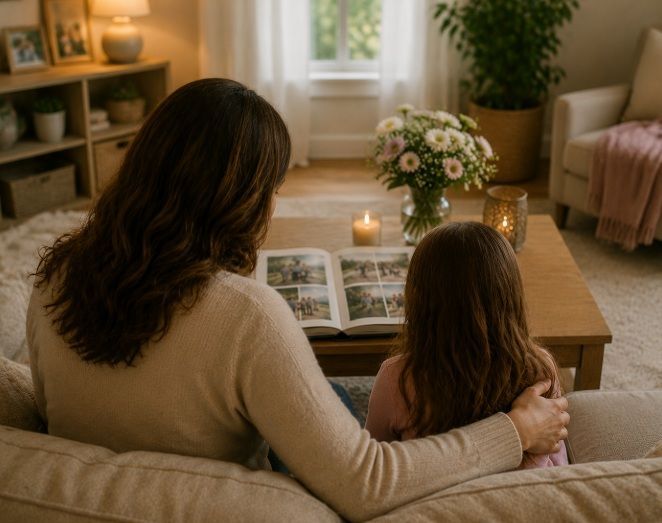
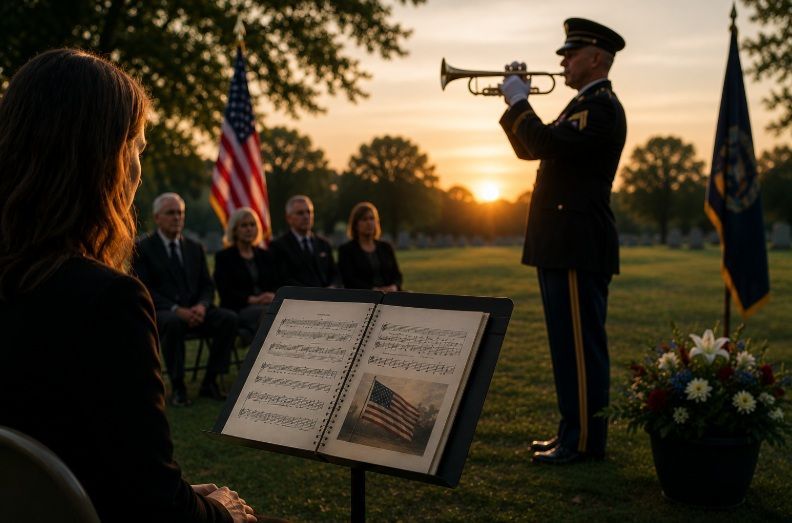
Mourning is how grief is expressed outwardly. It often takes shape through rituals, conversations, or shared moments of remembrance. These expressions can be influenced by culture, tradition, or personal preference.
Through mourning, individuals find ways to acknowledge loss in a visible and meaningful way. This process helps connect inner emotions with outward actions.
Why the Difference Matters for Healing
Understanding the distinction between grief and mourning can bring clarity. When people recognize that emotions and expressions are separate, they often feel less pressure to respond in a certain way. This awareness supports a more natural process.
Many families find reassurance in insights such as how shared remembrance can support emotional healing over time, which highlight the role of both internal and external experiences.
How Both Work Together Over Time
Grief and mourning are closely connected, even though they are different. Mourning provides an outlet for grief, allowing emotions to be expressed rather than held inside. Over time, this balance can support healing.
There is no timeline for how these experiences unfold. Some people move between them quickly, while others take longer to process each stage.
Allowing Space for Individual Experiences
No two people will experience grief or mourning in the same way. Expectations can sometimes make people feel unsure about whether they are responding “correctly.” In reality, there is no single path.
Creating space for individual responses helps reduce pressure. Many families benefit from guidance that supports personal approaches, including options such as ways services can be shaped to reflect individual needs and preferences.
Understanding the Journey Toward Healing
Families considering funeral homes in Winooski, VT often want to better understand how to navigate emotional experiences after a loss. Minor Funeral and Cremation Center provides compassionate support to help families move through grief and mourning with clarity and care. You may find additional reassurance by learning more about the people who guide families through meaningful and supportive experiences. When you are ready to speak with someone directly, call (802) 893-6323.
Frequently Asked Questions
Is grief the same as mourning?
Grief refers to the internal emotions felt after a loss, while mourning is how those emotions are expressed outwardly. They are connected but not identical. Understanding the difference can help clarify the healing process.
How long do grief and mourning last?
There is no fixed timeline for either grief or mourning. Each person processes loss in their own way and at their own pace. These experiences can change over time.
Can someone grieve without mourning?
Yes, some individuals may feel grief internally without expressing it outwardly. However, finding ways to express emotions can often support healing. Mourning provides an outlet for those feelings.